How Internal Linking Can Elevate Your SEO Rankings and Conversion Rates
Internal linking is a game-changer when it comes to SEO and conversion optimization. It’s one of the most effective yet often overlooked strategies that can improve your website’s visibility while keeping users engaged longer. By strategically linking relevant pages within your website, you create your seamless navigation experience that benefits both users and search engines.
A well-planned internal linking strategy improves your website structure, distributes link authority and makes it easier for search engines to crawl and index your content. Additionally, it encourages your visitors to explore more of your website and increasing your time on website and ultimately driving higher conversion rates.
How Internal Linking Enhances SEO and Boosts Conversions
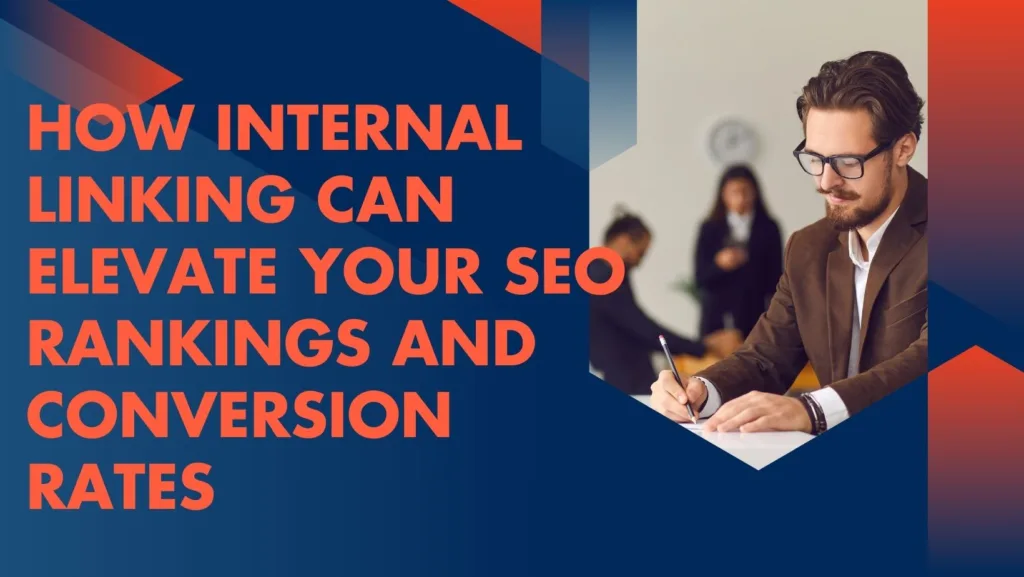
In this Internal Linking Can Elevate Your SEO Rankings and Conversion Rates article, we will break down the benefits of internal linking, how it impacts SEO and conversions and the best practices for implementing an effective strategy.
1. What is Internal Linking and Why Does It Matter for your website?
Internal linking is the best practice of connecting your website pages within the same website using WP hyperlinks. It serves multiple purposes, enhancing both search engine optimization (SEO) and user experience. Here’s why it’s crucial of the Internal Linking Can Elevate Your SEO Rankings and Conversion Rates:
A) Helps Search Engines Understand Your Site
Search engines rely on internal links to discover new pages and understand how your content is structured. A strong internal linking system ensures that all important pages are easily accessible and indexed efficiently which improving your chances of ranking higher in search results.
B) Distributes Link Equity
Internal links passes “link juice” (or authority) from one web page to another web page. This means even lower-performing pages can gain credibility and improve your ranking when linked from high-authority pages within your website.
C) Improves User Experience
By guiding your visitors to relevant content, internal links make navigation more intuitive. When your users can easily find related information, they are more likely to stay on your site longer, reducing bounce rates and increasing engagement.

D) Supports Content Hierarchy
Internal linking helps you to establish a clear content hierarchy, signaling to search engines which pages are most important. This structured approach enhances both SEO performance and user journeys.
2. SEO Benefits of Effective Internal Linking
An optimized internal linking strategy can significantly impact your website’s SEO performance. Here’s how for better Internal-Linking Can Elevate Your SEO Rankings and Conversion Rates:
A) Improved Crawlability
Search engines like Google Chrome usees internal links to crawl and index your whole website posts and pages. Linking new or deep-level pages to high-traffic areas ensures they are discovered faster which leading to better indexing and higher rankings.
B) Page Authority Distribution
By linking from high-authority pages to less visible ones, you distribute page authority across your website which helping underperforming pages gain visibility and rank better on search engine results pages (SERPs).
C) Keyword Relevance
Using keyword-rich anchor text for internal links signals the topic of the linked page to search engines. This improves your content relevance and strengthens your SEO strategy.
D) Reduced Bounce Rates
Internal links encourage users to stay longer on your website by directing them to more valuable content. Lower bounce rates signal to search engines that your content is very useful and engaging which can boost rankings.
3. How Internal Linking Drives Conversions
Beyond SEO, internal-linking plays a key role in increasing conversion rates. Here’s how about Internal-Linking Can Elevate Your SEO Rankings and Conversion Rates:
A) Enhances User Experience
By seamlessly connecting informational pages to action-driven ones, internal linking makes it easier for your users to find what they need—whether that is a product page, a service offering or a lead form.
B) Optimizes the Customer Journey
A well-structured internal linking strategy helps to guide your visitors through different stages of the buying process. From blog posts to product pages, you can subtly direct them toward making a purchase or signing up.
C) Builds Trust and Credibility
Linking to case studies, testimonials or high-authority resources within your website builds credibility. When users see trustworthy content, they feel more confident in your purchasing decisions.
D) Encourages Deeper Engagement
By strategically placing links to conversion-focused pages such as pricing, product descriptions or free trial signups, you increase the likelihood of your users taking the desired action.
4. Best Practices for Internal Linking
To get the most out of your internal linking strategy, follow these best practices for Internal-Linking Can Elevate Your SEO Rankings and Conversion Rates:
A) Strategic Placement
Place internal links where they make the most sense—ideally within the first few paragraphs of your content. Your Users are more likely to click on links that appear early in the text.
B) Anchor Text Optimization
Use descriptive, keyword-rich anchor text rather than generic phrases like “click here.” Clear anchor text improves both user experience and SEO relevance.
C) Prioritize High-Value Pages
Ensure that your most important pages—such as product, service or lead generation pages—receive internal links to increase your visibility and ranking potential.
D) Avoid Over-Linking
Too many links in a single piece of content can overwhelm users and reduce the value of each link. Keep your internal linking natural and focused on quality over quantity.
E) Conduct Regular Link Audits
Use SEO tools to check for broken or outdated internal links. Regularly updating your internal linking structure ensures continued effectiveness.
5. Tools and Techniques for Optimizing Internal Linking
Using the right tools can help to refine your internal linking strategy. Here are some useful options for Internal-Linking Can Elevate Your SEO Rankings and Conversion Rates:
| Tool | Purpose | Key Features |
|---|---|---|
| Google Search Console | Analyze internal linking structure | Tracks broken links and crawlability issues |
| Ahrefs | Link analysis and optimization | Identifies orphan pages and tracks link equity distribution |
| SEMrush | SEO audit and internal linking improvements | Suggests internal link optimizations |
| Screaming Frog | Website audit for internal links | Crawls sites and identifies link errors |
| Crazy Egg/Hotjar | Tracks user interaction with links | Provides heatmaps and behavior analysis |
6. Common Internal Linking Mistakes to Avoid
Even with the best intentions, internal linking mistakes can hinder your SEO and user experience. Here are some pitfalls to watch out for Internal-Linking Can Elevate Your SEO Rankings and Conversion Rates:
A) Using Generic Anchor Text
Avoid vague anchor text like “click here.” Instead, use descriptive phrases that accurately reflect the linked content’s topic.
B) Linking to Irrelevant Pages
Every internal link should add value. Linking to unrelated content confuses users and weakens SEO signals.
C) Ignoring Deep Pages
Make sure to link to pages that don’t get much organic traffic. This helps you to improve your authority and visibility.
D) Neglecting Mobile Usability
Ensure that internal links are easily clickable on mobile devices. Poor mobile accessibility can frustrate users and hurt your rankings.
Conclusion
Internal linking is a simple yet highly effective strategy for improving SEO rankings and boosting conversions. It enhances website structure, distributes link authority and improves user engagement.
By strategically linking high-value pages and optimizing anchor text, you can maximize both SEO and conversion potential. Regular audits and the use of SEO tools like Google Search Console and Ahrefs can further refine your internal linking approach.
Looking for expert guidance on internal linking strategies? At Content Whale, we specialize in optimizing website navigation and boosting engagement through smart linking tactics. Let us help you to create a well-structured, high-performing website that ranks higher and converts better.
Must Read Out The Recently Published Story:
- How to Use Google Trends for SEO Growth
- How to completely remove Footer area from bloggers template
- Network Sharing Error “Windows Cannot Access Your Shared Drive or Folder”
- Fix Excluded pages issues of Google Search Console
- Best Local SEO Tools to Boost Local Search Rankings
You May Also Join Us On:
- You can Join Our Facebook Page for Daily Updates:
- Follow Us on Pinterest to get daily Updates: