
Cryptocurrency Blockchain: A Step-by-Step Guide to Understand Basics
Blockchain in Cryptocurrency: In the world of cryptocurrency, blockchain technology plays a very important role in running day-to-day transactions. Blockchain is the underlying technology that enables the decentralized nature and security of cryptocurrencies such as Bitcoin and Ethereum.
In this Blockchain in Cryptocurrency blog post, we will delve into the concept of blockchain in cryptocurrency and explore how it works step-by-step.
What is blockchain in cryptocurrency and How blockchain works step-by-step guide for newbies

Blockchain is a decentralized and distributed ledger technology that underpins cryptocurrencies such as Bitcoin and Ethereum. In cryptocurrency, the blockchain serves as a transparent and secure platform for recording and verifying transactions.
Unlike traditional centralized systems where a single authority controls the ledger, blockchain operates on a peer-to-peer network, ensuring that no single entity has absolute control over the data.
At its core, a blockchain consists of a series of blocks with each block containing a set of transactions.
These transactions represent the movement of cryptocurrency from one address to another. The blocks are linked together in sequential and chronological order. This would be forming a continuous chain of transaction history.
What is Blockchain in Cryptocurrency?
As already said Blockchain is a decentralized ledger that records and verifies transactions across multiple computers, ensuring transparency and security. Blockchain in Cryptocurrency consists of blocks of data linked together in a chain. This is also forming a chronological record of all transactions for the crypto traders. To ensure the accuracy and validity of transactions, blockchain relies on a consensus mechanism.
Once a block is added, it is propagated to all nodes in the networkwhich maintain a copy of the blockchain. This decentralized replication ensures that all participants have the same and up-to-date version of the ledger. In case of any discrepancies or conflicts, the longest chain is considered the valid oneand the network automatically converges on a consensus on the correct version of the blockchain.
The transparency of blockchain is another significant aspect. While the identities of the participants are often pseudonymous, the details of the transactions such as the amounts and the addresses involved can be examined by anyone. This transparency enhances accountability and trust within the cryptocurrency ecosystem.
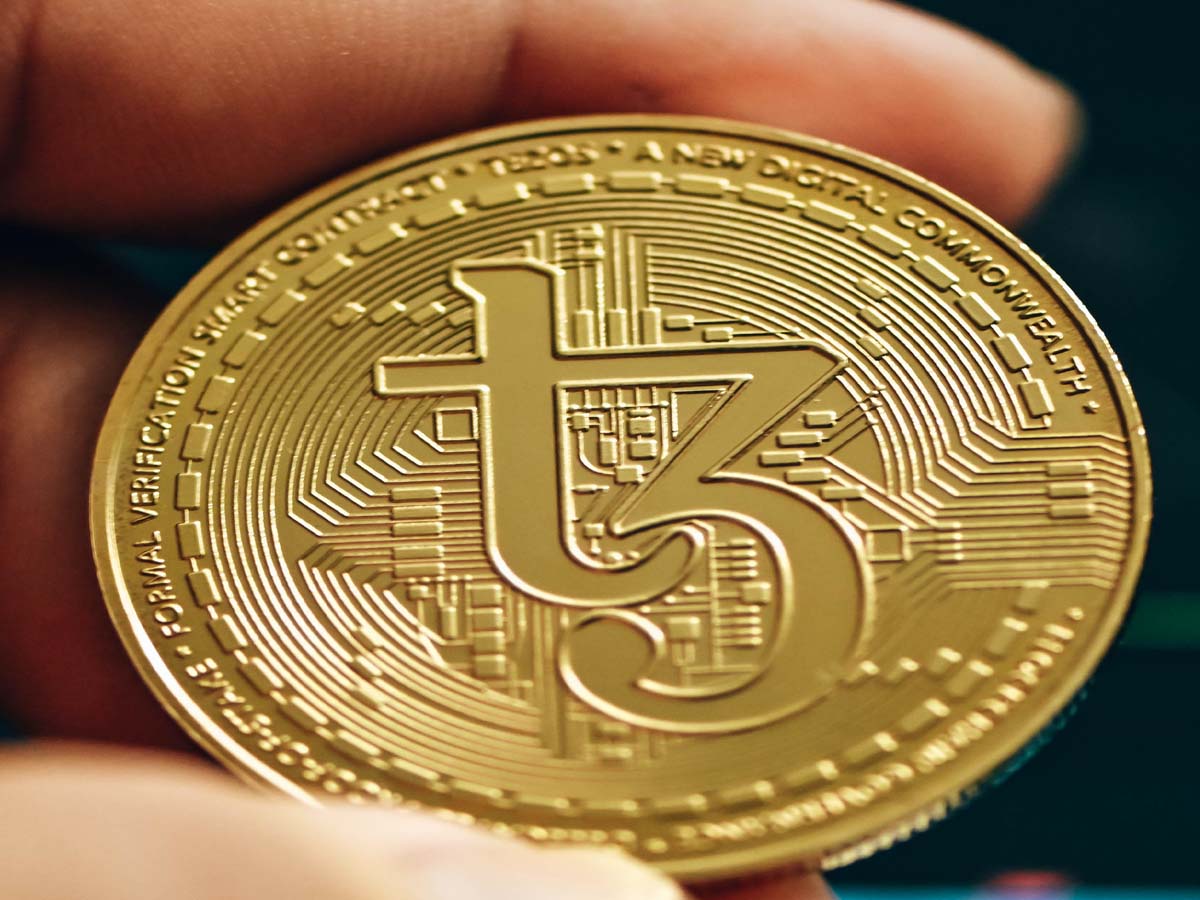

Blockchain in cryptocurrency is a decentralized and transparent ledger technology that enables secure and verifiable transactions. Through its immutability, consensus mechanisms and decentralized replication, blockchain ensures the integrity and reliability of the cryptocurrency ecosystem. Blockchain in Cryptocurrency has the potential to revolutionize various industries by providing a foundation for secure and efficient digital transactions beyond traditional financial systems.
Step-by-Step Process of Blockchain
Now, you will learn about the step-by-step guide for the Blockchain in Cryptocurrency process.
Step 1: Transaction Initiation The process begins when you initiate a transaction by sending cryptocurrency from one address to another. This transaction is broadcasted to the network for verification and inclusion in a block.
Step 2: Transaction Verification Miners, the network participants, validate the transaction by solving complex mathematical problems. This Blockchain in the Cryptocurrency process, known as mining, ensures that the transaction is legitimate and follows the network\’s rules.
Step 3: Block Formation Verified transactions are grouped into a block. Each block contains a unique identifier called a hash which is generated by applying cryptographic functions to the block\’s data. The hash also includes the hash of the previous block, creating a chain-like structure.
Step 4: Consensus Mechanism Blockchain networks employ consensus mechanisms. These blockchain networks may be like Proof-of-Work (PoW) or Proof-of-Stake (PoS) to ensure agreement among you on the validity of the block. These mechanisms prevent malicious actors from manipulating the blockchain.
Step 5: Block Validation and Addition Once a miner successfully solves the cryptographic problem and validates the block, it is added to the existing blockchain. The block\’s hash and its position in the chain are recorded, maintaining the integrity and immutability of the blockchain.
Step 6: Blockchain Replication The updated blockchain is replicated across all participating nodes in the network ensuring that each participant has an identical copy of the ledger. This replication contributes to the security and decentralization of the blockchain.
Key Features of Blockchain in Cryptocurrency
This crypto immutability is achieved through the use of cryptographic algorithms and the decentralized nature of the blockchain network. Any attempt to tamper with a block would require an overwhelming amount of computational power making the blockchain highly resistant to fraud and manipulation.
- Transparency: All transactions recorded on the blockchain are visible to all participants, ensuring transparency and accountability.
- Security: Blockchain\’s cryptographic algorithms and decentralized nature make it highly secure against hacking and fraudulent activities.
- Immutability: Once a block is added to the blockchain, it becomes nearly impossible to alter or delete the information it contains. This immutability enhances trust in the system.
- Decentralization: Crypto Blockchain operates on a peer-to-peer network in the ecosystem. This system eliminates the need for intermediaries like banks. Decentralization enables direct transactions between you and your groups which reduces your costs and increases efficiency.
Use Cases of Blockchain in Cryptocurrency
These are just a few examples of how Blockchain in Cryptocurrency is being utilized in the cryptocurrency space. The potential applications of blockchain technology extend beyond these and we can expect further innovation and exploration as the technology continues to evolve.
Cryptocurrency Transactions
Blockchain provides a secure and efficient platform for conducting cryptocurrency transactions without the need for intermediaries. Blockchain provides a secure and efficient platform for conducting cryptocurrency transactions. Blockchain in Cryptocurrency eliminates the need for intermediaries such as banks which allows you to directly transfer digital assets between one another. The decentralized nature of blockchain ensures transparency, reduces costs and increases transaction speed which makes it an ideal solution for peer-to-peer digital payments.
Smart Contracts
Blockchain facilitates the execution of self-executing smart contracts which automate and enforce contract terms without intermediaries. Blockchain enables the execution of smart contracts which are self-executing agreements with predefined rules and conditions. These contracts are coded into the blockchain and automatically enforce their terms without the need for intermediaries. Smart contracts have various applications in the cryptocurrency space, such as decentralized exchanges where trades are executed automatically once specific conditions are met.
Supply Chain Management
Blockchain enables traceability and transparency in supply chain processes, reducing fraud, improving efficiency and ensuring product authenticity. Blockchain in Cryptocurrency technology can revolutionize supply chain management by providing transparency and traceability. Through blockchain, you can track the movement of goods across the supply chain, ensuring authenticity, reducing fraudand improving efficiency. Cryptocurrencies can be used to facilitate secure and transparent payments throughout the supply chain, streamlining financial processes.
Identity Verification
Blockchain can be used for decentralized identity verification where you have control over your personal data and can selectively disclose it to trusted entities. Blockchain-based identity verification systems offer a decentralized approach to managing personal information. You have control over your own identity data and can selectively share it with trusted entities, reducing the risk of identity theft and fraud. Cryptocurrencies can be integrated into such systems that allow for secure and private transactions while maintaining the integrity of personal data.
Remittances and Cross-Border Payments
Blockchain in Cryptocurrency technology has the potential to transform remittance services and cross-border payments. By leveraging cryptocurrencies and blockchain, you and your businesses can send and receive funds internationally with reduced fees and faster settlement times. This can particularly benefit individuals in regions with limited access to traditional banking services.
Decentralized Finance (DeFi)
DeFi refers to a set of financial applications built on blockchain that aim to disrupt traditional financial intermediaries. Blockchain in Cryptocurrency enables the creation of decentralized lending, borrowingand trading platforms, providing you with more control over your assets and reducing reliance on centralized institutions. Cryptocurrencies serve as the native currencies for these DeFi applications, facilitating seamless transactions and enhancing liquidity.
Tokenization of Assets
Blockchain in Cryptocurrency allows for the tokenization of various real-world assets, such as real estate, artand commodities. By representing these assets as digital tokens on the blockchain, you can be easily traded, dividedand transferred. This opens up new avenues for fractional ownership, increased liquidityand more accessible investment opportunities.
Conclusion
Blockchain in Cryptocurrency technology revolutionizes the world of cryptocurrency by ensuring transparency, securityand decentralization. Blockchain in Cryptocurrency step-by-step process, starting from transaction initiation to block addition, ensures the integrity and immutability of the blockchain. With its potential for various applications beyond cryptocurrencies, blockchain continues to drive innovation and transform industries worldwide.
As the world advances the transactions also advance. You would have to see every aspect of technology and transactions secure. We Digital Money has also gained and prepared a crypto course for the newbies to understand the whole crypto system in an easy language to perform your transactions. Hope you would like and share our efforts that we have made in the Blockchain in Cryptocurrency topic.
Join us on Social Media Platforms
You may join us on Social Media:
- Join us on our Facebook page:
- Join us on our Pinterest Page:
- Join Us on our Youtube Channel:
You may also like:
- What is a new Money Market fund?
- Best Cryptocurrencies to Buy
- Where is the best Binance Located?
- What is a Cryptocurrency and how does it work?
- How to Buy Crypto With Paypal on Binance: Does Binance accept PayPal?
- Crypto Fear and Greed Index: What You Need to Know in
- What is Coin Market Cap and Can You Trust CoinMarketCap?
- Full Review on Bitcoin (BTC): Your Comprehensive Guide in
- Where Can You Buy Luna Crypto: A Comprehensive Guide in
- Best Crypto Course: How to transfer USDT to wallet