
Exploring Digital Currency: Its Definition, Usage and Origins in Advanced Mode
Exploring Digital Currency: In today’s increasingly digital world, the concept of digital currency has gained significant traction. Digital currency, also known as cryptocurrency, is a form of digital or virtual money that operates independently of traditional financial institutions.
In this Exploring Digital Currency blog post, we will delve into the definition of digital currency, explore its usage and trace its origins to understand who started this revolutionary financial phenomenon.
Exploring Digital Currency and Origins in Advanced Mode

In the ever-evolving landscape of finance, digital currency has emerged as a groundbreaking concept that is reshaping the way we perceive and transact with money. As we delve into the year , let’s take a closer look at the origins and advancements of digital currency.
In advanced mode , digital currency has become an integral part of our financial landscape, offering exciting possibilities for individuals, businessesand governments alike. As we navigate this evolving terrain, it is crucial to stay informed about the latest developments, embrace responsible practicesand adapt to the changing dynamics of the digital currency revolution.
Understanding Digital Currency
Digital currency, also known as cryptocurrency, has emerged as a groundbreaking form of money in the digital age. Unlike traditional fiat currencies issued by central banks, digital currency operates independently of financial institutions and relies on cryptographic principles to secure transactions. In this blog post, we will explore the concept of digital currency, its features and how it is reshaping the world of finance.
- Digital currency is a type of currency that exists solely in electronic form, utilizing cryptographic principles to secure transactions and control the creation of new units.
- Unlike traditional fiat currencies issued by central banks, digital currencies are decentralized and often built on blockchain technology, ensuring transparency and security.
- Popular examples of digital currencies include Bitcoin, Ethereum and Litecoin, each with its unique features and use cases.
Digital currency refers to a type of currency that exists solely in electronic or digital form. It is created and stored electronically, typically using cryptographic techniques to secure transactions and control the creation of new units. Digital currencies are decentralizedwhich meaning that they are not controlled by any central authority or government and their value is often determined by market demand.
Key Features of Digital Currency
Digital currencyor cryptocurrency, possesses several key features that set it apart from traditional forms of currency. Firstly, it operates in a decentralized manner, relying on a peer-to-peer network rather than a central authority. This decentralization is made possible through blockchain technology, ensuring transparency and security. Secondly, digital currencies employ cryptographic techniques to secure transactions and prevent fraud. They also offer varying degrees of anonymity and privacy, allowing users to transact without revealing personal information. Additionally, digital currencies are globally accessible, enabling seamless cross-border transactions.
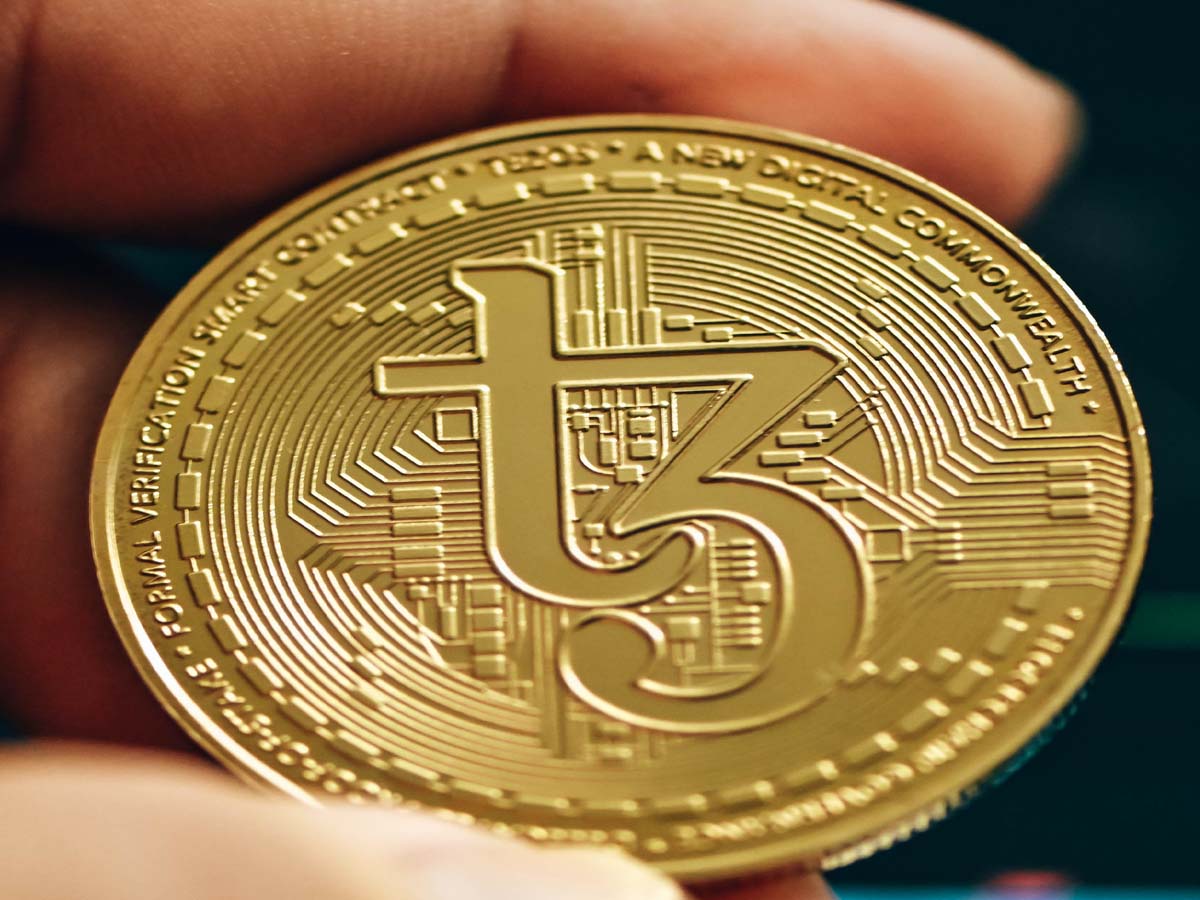

They facilitate fast and low-cost transactions compared to traditional banking systems. Some digital currencies, like Ethereum, provide programmable features through smart contracts, enabling automated and trustless transactions. Many cryptocurrencies have a limited supply, contributing to their value and potential as investments. However, they are known for their price volatility. Overall, digital currencies have sparked innovation, revolutionizing financial systems, promoting financial inclusionand enabling new decentralized applications and services.
Decentralization
One of the fundamental characteristics of digital currency is its decentralized nature. Instead of being controlled by a central authority, such as a central bank, digital currencies operate on decentralized networksoften based on blockchain technology. This decentralization ensures transparency, security and eliminates the need for intermediaries in transactions.
Cryptographic Security
Digital currencies utilize cryptographic algorithms to secure transactions and control the creation of new units. Cryptography ensures that transactions are verifiable, tamper-proof and resistant to fraud. Participants in the network use cryptographic keys to access and transfer digital assets securely.
Limited Supply
Most digital currencies have a predetermined maximum supply, making them deflationary in nature. For example, Bitcoin has a finite supply capped at 21 million coins. This scarcity can contribute to the value of digital currencies, as demand increases while the supply remains fixed or expands at a predictable rate.
Pseudonymity
Transactions involving digital currency are often pseudonymouswhich meaning that the identities of the participants are not directly linked to their real-world identities. Instead, participants use unique addresses or cryptographic keys to send and receive digital assets. While transactions are recorded on a public ledger, called the blockchain, the personal information of participants is generally not disclosed.
Use Cases of Digital Currency
Digital currencyor cryptocurrency, has a wide range of use cases that are transforming various industries. It enables peer-to-peer transactions, eliminating the need for intermediaries and facilitating faster and more cost-effective cross-border payments. Digital currencies have revolutionized remittance services, allowing migrant workers to send money home at lower fees, promoting financial inclusion. In e-commerce, cryptocurrencies serve as an alternative payment method, offering enhanced security and protection against fraud.
The rise of decentralized finance (DeFi) platforms powered by digital currencies has made financial services more accessible and inclusive. Micropayments and tipping are made possible through digital currencies, enabling content creators to monetize their work and receive support from their audience. Tokenization of assets on blockchain networks allows for increased liquidity and democratized investment opportunities. Lastly, digital currencies streamline cross-border transactions, making international trade more efficient and accessible. As adoption continues to grow, the potential for digital currencies to reshape industries and drive innovation is immense.
Peer-to-Peer Transactions
Digital currencies enable direct peer-to-peer transactions without intermediaries, allowing individuals to send and receive funds globally, quickly and at a lower cost compared to traditional financial systems.
These transactions occur directly between digital wallet addresses, with no need for banks or payment processors.
Digital currency enables direct peer-to-peer transactions without the need for intermediaries, such as banks. You can transfer digital assets directly to others across the globe, quickly and at a lower cost compared to traditional payment systems. This makes digital currency particularly useful for cross-border transactions and remittances.
Investments and Trading
Digital currencies have become a popular investment asset class. You can buy and hold cryptocurrencies with the expectation of their value appreciating over time.
Cryptocurrency exchanges facilitate the buying, selling and trading of digital currencies, providing opportunities for profit through price fluctuations.
Digital currencies have gained popularity as investment assets. You can buy, hold and trade digital currencies on various cryptocurrency exchanges. The value of digital currencies can be subject to significant price fluctuations, offering potential investment opportunities for those willing to take on the associated risks.
E-commerce and Online Payments
Many online merchants and businesses accept digital currencies as a form of payment for goods and services. You can make secure and instant payments using their digital wallets.
Digital currencies offer advantages such as lower transaction fees, faster settlement times and the potential for increased privacy compared to traditional payment methods.
Many online merchants and businesses accept digital currencies as a form of payment. You can make secure and instant transactions using their digital wallets, eliminating the need for credit cards or bank transfers. Digital currencies offer advantages such as lower transaction fees, faster settlement times and the potential for increased privacy.
Decentralized Applications (DApps)
Digital currencies, particularly those built on blockchain platforms like Ethereum, support the development of decentralized applications (DApps). These applications offer various services, ranging from decentralized finance (DeFi) and gaming to identity verification and supply chain management. Digital currencies within these ecosystems serve as the native currencies for transactions and incentivize network participants.
Remittances and Cross-Border Transactions:
Digital currencies provide a convenient and cost-effective solution for remittances and cross-border transactions, particularly in regions with limited access to banking services.
By leveraging digital currencies, individuals can send funds across borders quickly and at a fraction of the cost compared to traditional money transfer methods.
Evolution of Digital Currency
The concept of digital currency gained significant traction with the introduction of Bitcoin in 2009 by an anonymous individual or group using the pseudonym Satoshi Nakamoto. Bitcoin’s success paved the way for the development of numerous other digital currencies, each with its own features, use cases and underlying technologies. These digital currencies continue to evolve, driven by technological advancements, user adoption and regulatory developments.
Digital currency represents a revolutionary form of money that operates independently of traditional financial systems. Its decentralized nature, cryptographic security and various use cases have transformed the way we think about transactions, investments and online payments. As digital currency continues to evolve and gain wider acceptance, it has the potential to reshape the global financial landscape, offering new opportunities for financial inclusion, innovation and economic empowerment.
Origins of Digital Currency
The origins of digital currency can be traced back to the late 20th century. The concept of digital currency emerged as a response to the limitations and inefficiencies of traditional fiat currencies and centralized financial systems. While the idea of digital money had been discussed earlier, it was not until the advent of computer technology and the internet that it became feasible to create and implement digital currencies.
In the 1980s, several attempts were made to create digital currencies. One notable example is David Chaum’s “eCash” in 1983which aimed to provide privacy and security for online transactions. However, these early attempts faced challenges in terms of adoption and regulatory concerns.
The breakthrough came in 2008 with the publication of the Bitcoin whitepaper by an anonymous person or group known as Satoshi Nakamoto. Bitcoin introduced the concept of a decentralized digital currency based on blockchain technology. It combined cryptographic techniques, peer-to-peer networkingand a distributed ledger to enable secure and transparent transactions without the need for intermediaries.
Bitcoin’s launch in 2009 marked the birth of the first successful digital currency. It gained attention as an alternative form of money that operated independently of governments and central banks. Bitcoin’s decentralized nature and limited supply appealed to those seeking financial sovereignty and protection against inflation. Following Bitcoin’s success, numerous other digital currenciesoften referred to as altcoins, were created. These include Ethereum, Ripple, Litecoinand many more, each with its own unique features and use cases.
Since then, digital currencies have evolved and expanded beyond their initial purpose as a medium of exchange. They have become a catalyst for innovation, giving rise to new technologies and applications such as smart contracts, decentralized finance (DeFi), non-fungible tokens (NFTs)and more.
While the origins of digital currency can be traced back several decades, it is the combination of technological advancements, cryptographyand the desire for a decentralized financial system that has propelled digital currencies into the mainstream and continues to shape their development today.
Bitcoin and Satoshi Nakamoto
The origins of digital currency can be traced back to Bitcoin, the first decentralized cryptocurrency which emerged in 2009.
Bitcoin was introduced by an anonymous person or group using the pseudonym Satoshi Nakamoto. Nakamoto published a whitepaper titled “Bitcoin: A Peer-to-Peer Electronic Cash System” outlining the principles and technology behind Bitcoin.
Evolution and Pioneers
Following Bitcoin’s introduction, numerous other digital currencies were created, each with its own innovations and objectives.
Notable pioneers in the digital currency space include Vitalik Buterin, who founded Ethereum, a platform for decentralized applications and Charlie Lee, the creator of Litecoin which aimed to be a faster and more scalable digital currency.
Growing Global Adoption
Digital currencies have gained widespread acceptance and adoption globally, with millions of You and businesses participating in the ecosystem.
Governments and regulatory bodies have also recognized the potential of digital currencies, leading to increased discussions and efforts to establish frameworks for their regulation and integration into existing financial systems.
Conclusion
Digital currencyor cryptocurrency, has revolutionized the way we think about money and financial transactions. It operates independently of traditional financial institutions, offering advantages such as peer-to-peer transactions, investments, online payments and cross-border transactions. Bitcoin, introduced by Satoshi Nakamoto, marked the beginning of this transformative technology. Since then, digital currencies have evolved and gained global acceptance, with numerous pioneers and innovators shaping the industry. As the world continues to embrace digital currencies, it is essential to understand their definition, usage and origins to navigate this rapidly evolving financial landscape.
You may join us on Social Media:
- Join us on our Facebook page:
- Join us on our Pinterest Page:
- Join Us on our Youtube Channel:
You may also like: