
Digital Currency Technology: What are the technologies used in digital currency?
Technologies used in digital currency: Digital currency which is also known as digital money and cryptocurrency, has seen significant advancements in technology since its inception. In , digital currency technology and technologies used in digital currency continue to develop, incorporating various technologies to enhance security, scalability and usability in the market.
In this technologies used in digital currency blog post, we will explore the technologies used in digital currency , highlighting their contributions to the functionality and innovation within the digital currency ecosystem. You will also see the connection between technologies used in digital currency. Let’s start the topic now.
Exploring the Technologies Used in Digital Currency
Technology played a vital role to trade cryptocurrency. Can you assume to do transactions without the technology of security? Let\’s take a look of the technologies used in digital currency in the current article.

Blockchain Technology
Blockchain technology remains at the core of most digital currencies. It is a decentralized and transparent ledger that records all your crypto transactions made with the cryptocurrency.
Blockchain provides you with security, immutability and consensus through the distributed network of nodes that verify and validate transactions, ensuring trust and eliminating the need for intermediaries. Blockchain is the network technology that provides you security to do your transactions.
Consensus Mechanisms
Consensus mechanisms are the technology protocols that enable agreement among network participants on the validity of transactions and the addition of new blocks to the blockchain. The most popular consensus mechanisms include as of the following.
- Proof-of-Work (PoW), Proof-of-Stake (PoS)
- variations such as Delegated Proof-of-Stake (DPoS)
- Proof-of-Authority (PoA).
These mechanisms determine how nodes reach consensus, maintain security and facilitate the creation of new blocks on the network.
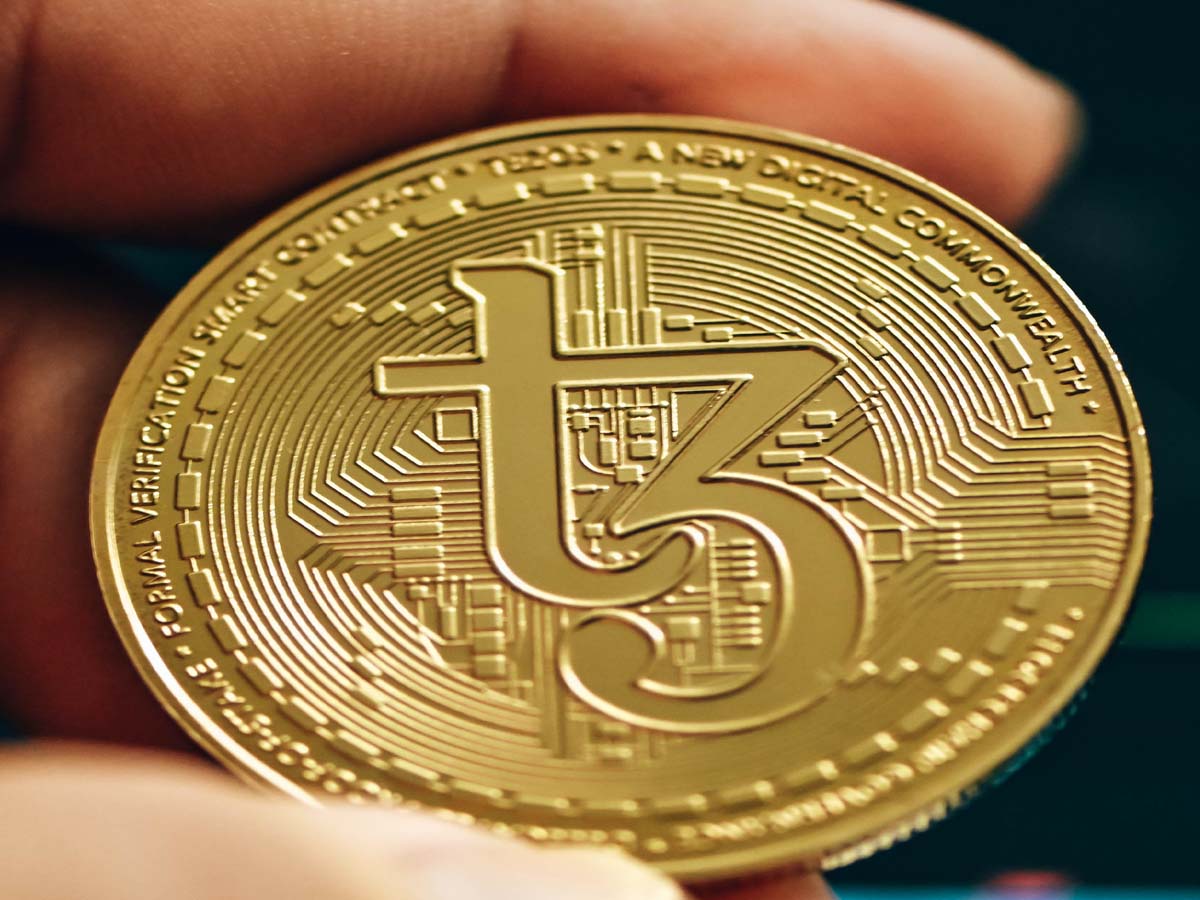

Privacy Enhancements
Privacy has also become an important focus in digital currency technology. Various techniques such as zero-knowledge proofs, ring signatures and confidential transactions have been developed to enhance privacy and technologies used in digital currency.
These privacy enhancements aim is to protect the identities of your transacting parties and shield sensitive transaction information which is providing You with greater control over your personal data and financial privacy.
Scalability Solutions
Scalability has been a persistent challenge for digital currencies and technologies used in digital currency. In , various solutions are being explored to address scalability issues such as network congestion and transaction throughput limitations.
Layer-two solutions are including the Lightning Network and other off-chain protocols. The aim is to relieve congestion on the main blockchain by conducting transactions off-chain and settling the final result on the main crypto chain.
Interoperability Protocols
Interoperability is also essential for enabling seamless communication and exchange of assets between different digital currency networks and technologies used in digital currency. Interoperability protocols and technologies are being developed to facilitate cross-chain transactions for you.
These protocols allow You to transfer your digital assets between different blockchain networks, promoting compatibility, liquidity and the efficient movement of assets across the digital currency ecosystem.
Smart Contracts and DApps
Smart contracts are self-executing agreements written in code that automatically execute predefined conditions once they are met. They enable the creation of decentralized applications (DApps) and complex financial transactions.
DApps is built on blockchain platforms like Ethereum leverage smart contracts to automate processes, facilitate decentralized exchanges and provide various services beyond traditional finance.
Tokenization
Tokenization is the process of representing real-world crypto assets or rights on the blockchain using digital tokens for technologies used in digital currency. It enables your fractional ownership, liquidity and the transfer of value in a digital format and consider one of the best technology in the technologies used in digital currency.
Digital currency technology allows for the tokenization of various crypto assets, including real estate, art, intellectual property and even loyalty points. This opens up new possibilities for asset management, investment and peer-to-peer trading due to solid security and technologies used in digital currency.
Artificial Intelligence (AI) Integration
AI technologies are increasingly being integrated into digital currency systems to enhance security, fraud detection and user experience for technologies used in digital currency. AI algorithms can analyze large amounts of transaction data, identify patterns and detect suspicious activities that might be helping to mitigate fraud and enhance the security of digital currency transactions.
Internet of Things (IoT) Integration
The integration of digital currency technology with IoT devices offers you new opportunities for automated and secure transactions in the physical world because of best technologies used in digital currency. IoT devices equipped with digital wallets can initiate and execute your transactions autonomously, enabling machine-to-machine transactions, microtransactions and seamless payment experiences.
Quantum Computing Readiness
As quantum computing advances, digital currency technology is being developed with quantum-resistant cryptographic algorithms to ensure its security in the face of potential quantum threats. Quantum-resistant cryptographic solutions aim to safeguard digital currency systems from future quantum computing attacks, ensuring the longevity and resilience of the technology.
Enhanced User Experience
Digital currency technology focuses on improving the user experience to drive wider adoption. User-friendly interfaces, intuitive wallets and simplified onboarding processes aim is to make digital currency more accessible to the general public. Streamlined user experiences, coupled with advancements in mobile payment technologies, contribute to the seamless integration of digital currency into daily transactions, enhancing convenience for You.
Cross-Platform Integration
Digital currency technology aims to facilitate integration with existing financial systems and platforms. Partnerships between digital currency providers and traditional financial institutions enable the seamless transfer of funds between digital and fiat currencies. Integrating digital currency into mainstream payment systems and online platforms expands its usability and acceptance, making it more practical for everyday use.
Regulatory Compliance
Digital currency technology places increased emphasis on regulatory compliance. As the industry matures, efforts are being made to establish clear frameworks and standards to address regulatory concerns. Collaboration between digital currency entities, regulatory bodies and governments helps create an environment that fosters innovation while ensuring consumer protection and safeguarding against illicit activities.
Enhanced Security Measures
Digital currency technology continues to advance security measures to protect user funds and information. Multifactor authentication, hardware wallets and biometric identification are becoming more prevalent to enhance security against hacking and fraud attempts. Ongoing research and development in cryptography and cybersecurity contribute to strengthening the overall security infrastructure of digital currency systems.
Environmental Sustainability
In , digital currency technology places a greater focus on environmental sustainability. Efforts are being made to mitigate the energy consumption associated with certain consensus mechanisms, such as transitioning to more energy-efficient protocols like Proof-of-Stake.
The adoption of sustainable mining practices and the exploration of alternative energy sources contribute to reducing the carbon footprint of digital currency systems.
Improved Cross-Border Transactions
Digital currency technology aims to streamline cross-border transactions, reducing the reliance on traditional intermediaries and minimizing the associated costs and delays. Utilizing blockchain and digital currencies for international transfers enhances efficiency, transparency and reduces fees, benefiting individuals and businesses engaged in global commerce.
Micropayments and Microtransactions
Digital currency technology enables the seamless execution of micropayments and microtransactions, making it practical to monetize digital content and services on a small scale. The low transaction fees and instant settlement provided by digital currency systems open up new revenue streams for creators, artists and developers in the digital economy.
Data Security and Privacy
With increasing concerns over data breaches and privacy, digital currency technology emphasizes the protection of user data. Encryption techniques and decentralized storage solutions enhance data security, ensuring that user information is safeguarded. User privacy features, such as the ability to conduct pseudonymous transactions and control the disclosure of personal information, provide individuals with greater control over their digital identities.
Educational Initiatives
Digital currency technology in focuses on educational initiatives to promote awareness and understanding of digital currencies and their underlying technology.
Efforts to educate individuals, businesses and governments about the benefits, risks and best practices associated with digital currency aim to foster a knowledgeable and responsible user base.
Continued Innovation
The technology behind digital currency is a dynamic field that thrives on continuous innovation. Research and development efforts push the boundaries of what is possible, exploring new technologies and approaches to improve digital currency systems. Ongoing innovation drives the evolution of digital currency technology, enabling it to adapt to changing needs, address limitations and unlock new possibilities for the future of finance.
Conclusion
Digital currency technology encompasses a range of advancements aimed at enhancing user experience, security, compliance and sustainability. technologies used in digital currency for Integration with existing financial systems, improved cross-border transactions and support for micropayments contribute to the practicality and versatility of digital currencies.
Emphasis on privacy, data security and environmental sustainability addresses key concerns of You and regulators. Educational initiatives and continued innovation drive adoption and evolution in the digital currency space. As digital currency technology continues to evolve, it holds the potential to reshape financial systems, empower individuals and drive economic growth in a digital-first world.
digital currency technology continues to evolve, incorporating various technologies to enhance security, scalability, privacy and interoperability. Blockchain remains the foundational technology and consensus mechanisms ensure your transaction validation and security.
Privacy enhancements, scalability solutions and interoperability protocols address previous challengeswhile smart contracts and tokenization open up new avenues for innovation. Integration with AI and IoT further enhances security and usabilitywhile quantum computing readiness ensures future-proofing. As digital currency technology advances, it holds the potential to transform finance, redefine transactions and empower individuals in the digital age.
You may join us on Social Media:
- Join us on our Facebook page:
- Join us on our Pinterest Page:
- Join Us on our Youtube Channel:
You may also like:
Crypto dial Indicator: How do you read a dial indicator and What is a crypto indicator to analyze?
RSI Indicator Crypto: Is RSI a good indicator for crypto?