
Doji Candlestick Pattern: What are the 4 Types of Doji today?
Doji Candlestick Pattern class 44: Welcome crypto learners in our next class of Doji Candlestick Pattern today. In the world of technical analysis, candlestick patterns play a most crucial role in understanding overall market sentiment and making your trading decisions. One such significant candlestick pattern is the Doji Candlestick in our today class. A Doji is formed when the opening and closing prices of your asset are almost equal and creating a distinct cross-like appearance.
This Doji Candlestick Pattern blog post will delve into what a Doji candlestick pattern is and explore the four main types of Doji patterns that traders and you commonly encounter. Let’s start to explore full details about the Doji Candlestick Pattern.
Understanding the Doji Candlestick Pattern
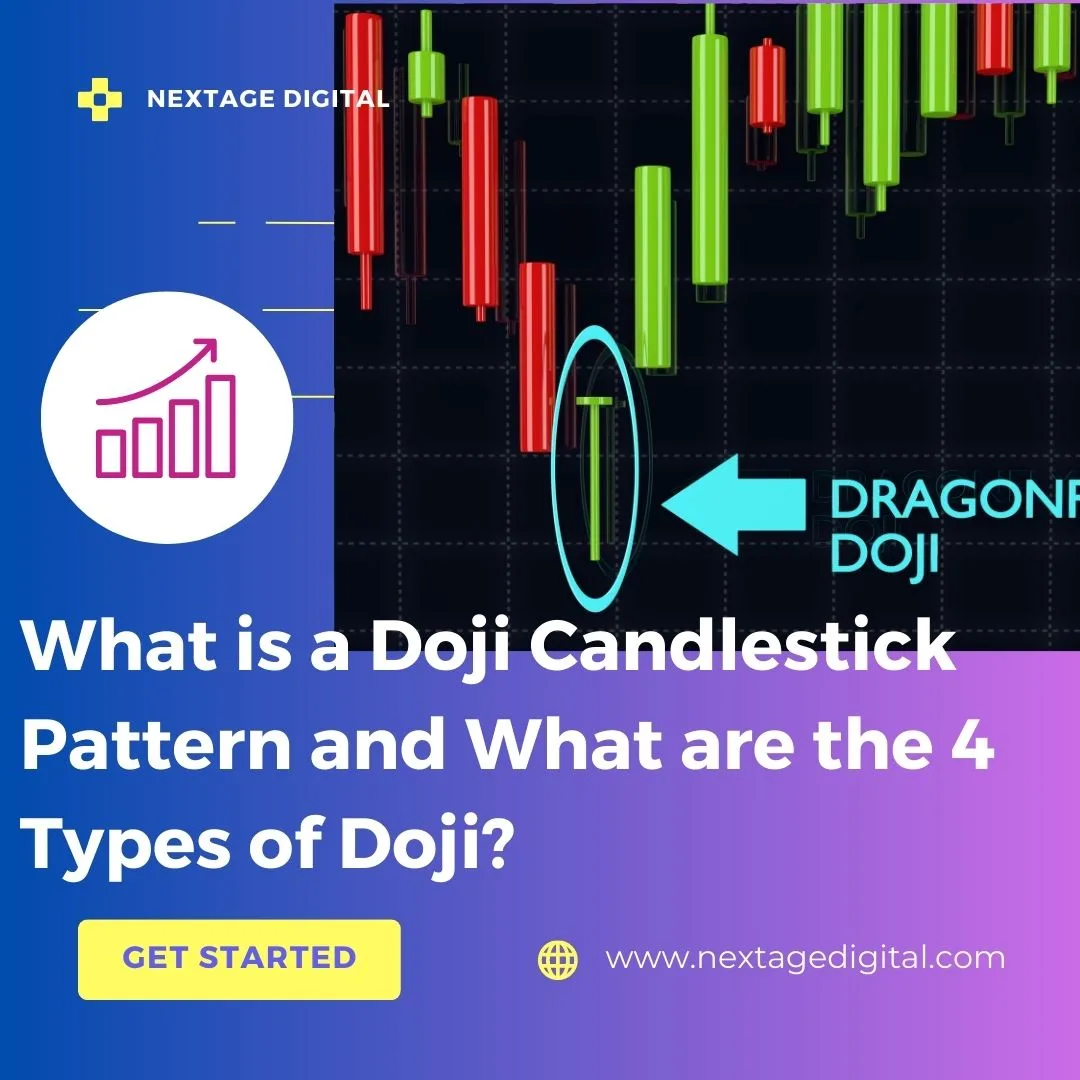
The Doji candlestick is a single candle pattern that reflects indecision and a potential reversal in the crypto market. It signifies your balance between buying and selling pressures, resulting in a narrow trading range with no significant price movement during your trading session. You often interpret a Doji as a warning sign of a potential trend reversal or a trend continuation, depending on the context in which it appears on your price chart.
Four Types of Doji Candlestick Patterns
As already disscussed that Doji Candlestick Patterns has four types and let’s try to full elaborate for your understandings.
Classic Doji:
The Classic Doji is the most basic form of the Doji Candlestick Pattern, characterized by a horizontal line with no real body. Classic Doji occurs when the opening and closing prices are precisely the same and indicating a strong tug of war between bulls and bears. You interpret the Classic Doji as a signal of indecision in the market.
Long-Legged Doji:
The Long-Legged Doji features longer upper and lower shadows compared to its body. It indicates that even greater indecision in the market with significant price fluctuations during the trading session. The Long-Legged Doji suggests that both buyers and sellers had the moments of control but ultimately, the market closed near its opening price.
Dragonfly Doji:
The Dragonfly Doji has a long lower shadow and no upper shadow that resembling a dragonfly’s shape. It occurs in the Doji Candlestick Pattern when the opening price is the same as the highest price and the closing price equals the lowest price of the session. This pattern of the Doji Candlestick Pattern often indicates a potential trend reversal, especially when it appears after a downtrend.

Gravestone Doji:
On the contrary, the Gravestone Doji displays a long upper shadow and no lower shadow and resembling a gravestone’s shape. It occurs when the opening price is equal to the highest price and the closing price equals the lowest price of the session. You consider the Gravestone Doji as a possible signal of trend reversal, especially when it appears after an uptrend.
Trading Strategies Using Doji Candlestick Patterns:
Lets study about some useful strategies that may be used in the Doji Candlestick Patterns.
Doji as Reversal Signals:
When a Doji appears after an extended uptrend or downtrend in the market, it can indicate your potential trend reversal. You often look for confirmation from other technical indicators which you used combinly or price action before making any trading decisions based on Doji reversal signals.
Doji as Continuation Signals:
In some cases, Doji patterns can also serve you as continuation signals. When a Doji occurs within a well-defined trading range, it may suggest that the prevailing trend is likely to continue more in the market.
Combining Doji with Other Indicators:
To increase the reliability of Doji signals, you often combine them with other technical indicators like moving averages, volume analysis or support and resistance levels. We also suggest to use Doji Candlestick Pattern with other indicators to get accurate results.
Conclusion
The Doji candlestick pattern is a valuable crypto tool for you to understand market indecision and potential trend reversals or continuations. By recognizing the different types of Doji patterns and integrating them with other technical analysis techniques, you can gain valuable insights to make more informed trading decisions.
However, like all technical indicators, Doji patterns should be used in conjunction with other analysis methods and risk management strategies to improve the accuracy of trading signals and minimize your losses.
Watch Our Video Class on Doji Candlestick Pattern
You may join us on Social Media:
- Join us on our Facebook page:
- Join us on our Pinterest Page:
- Join Us on our Youtube Channel:
You may also like: