What is blockchain exchange and how it Works?
A blockchain exchange is a platform that allows users to trade cryptocurrencies and other digital assets. These exchanges operate on a decentralized network, allowing users to buy and sell digital assets without the need for intermediaries such as banks or financial institutions.
It’s worth noting that blockchain exchanges are still a relatively new and rapidly evolving technology. There have been several high-profile security breaches and hacks of blockchain exchanges in recent yearswhich have led to the loss of user funds. As a result, it’s important for users to carefully research and select a reputable and secure blockchain exchange before trading or depositing funds.
What is blockchain exchange and its core functions?
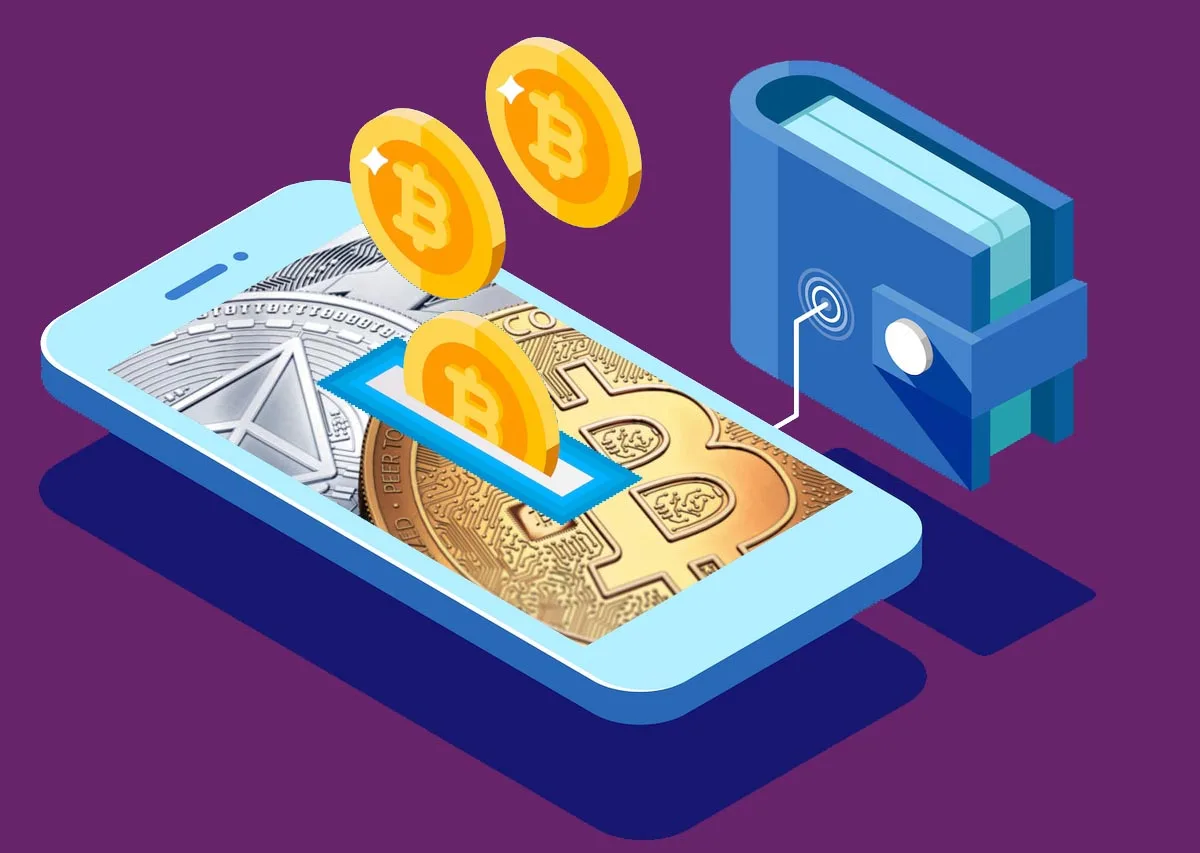
The core function of a blockchain exchange is to facilitate the exchange of digital assets between buyers and sellers of the coin market. Users can submit buy or sell orderswhich are then matched with other users’ orders on the exchange. When a match is found, the exchange executes the tradeand the digital assets are transferred from the seller to the buyer.
Blockchain exchanges can vary in their user interfaces, featuresand feesbut most operate on the similar underlying technology. Exchanges use a combination of blockchain technology and traditional financial systems to facilitate trades and store user funds on the server.
When users deposit funds into a blockchain exchange, those funds are typically held in a digital wallet associated with their account. This wallet is secured by a private keywhich only the user has access to. When the user submits a trade order, the exchange uses its matching engine to find a match with another user’s order. Once a match is found, the exchange executes the trade and updates the balances in each user’s wallet accordingly.
To ensure the security of user funds and prevent fraud in online transactions, blockchain exchanges typically employ a variety of security measures, including multi-factor authentication, encryptionand regular security audits. Some exchanges also use cold storage to store user funds offlinewhich can help prevent hacks and other security breaches.
In addition to facilitating trades, blockchain exchanges may also offer other services such as margin trading, lendingand staking. Margin trading allows users to trade with leverage, increasing their potential gains (but also their potential losses). Lending allows users to lend their digital assets to other users for interestwhile staking allows users to earn rewards for helping to secure the network.
What is the difference between blockchain wallets and blockchain exchanges?
While both blockchain wallets and blockchain exchanges are tools used in the world of cryptocurrencies and blockchain, there are some key differences between them.
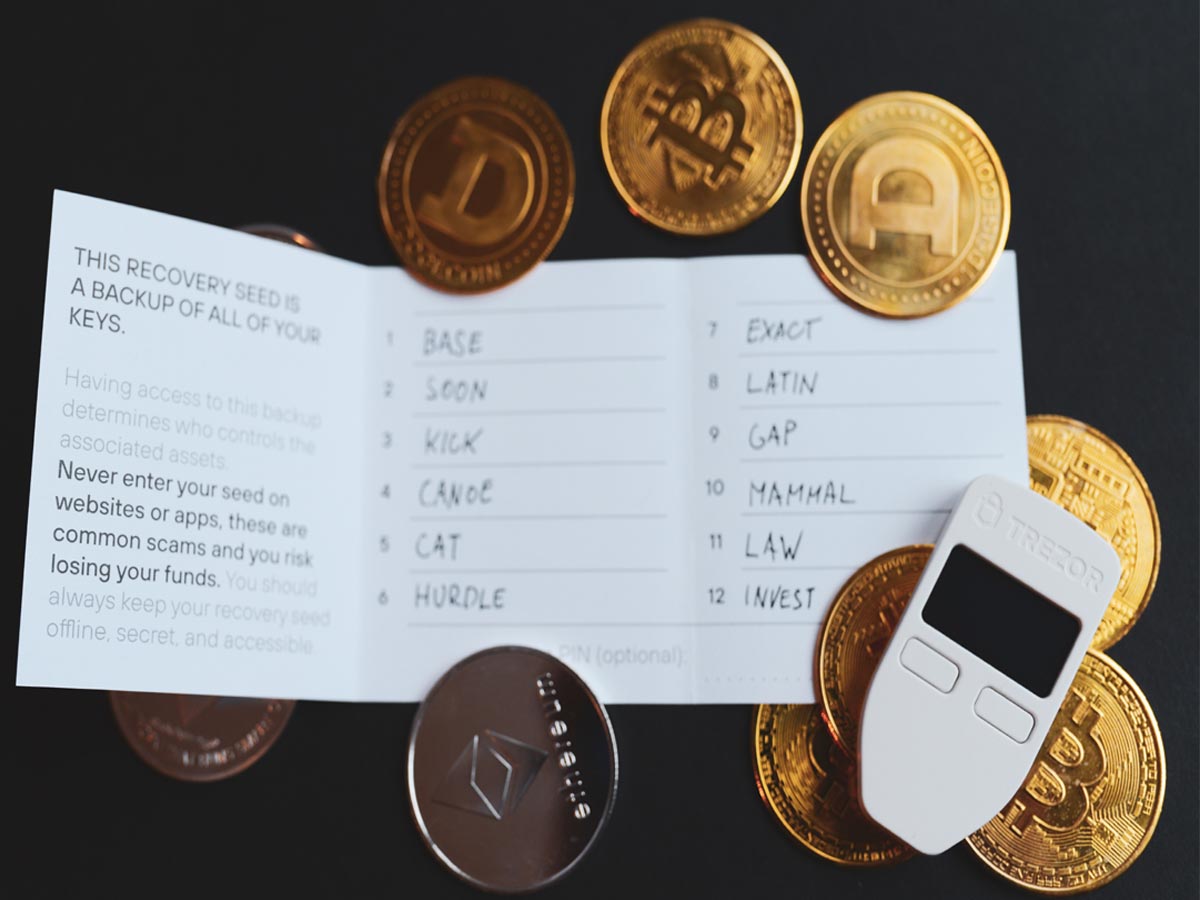
A blockchain wallet is a digital wallet used to store and manage cryptocurrencies. It enables users to send and receive digital assets like Bitcoin or Ethereumand it provides a secure and private way to store digital currencies. The wallet stores the private keys used to access the cryptocurrencies stored in it. A private key is essentially a secret code that allows the owner to access and manage their digital assetsand it is necessary to conduct transactions.
A blockchain exchange, on the other hand, is a platform that facilitates the trading of digital assets. It allows users to buy, selland exchange cryptocurrencies like Bitcoin or Ethereum, as well as other digital assets. The exchange operates as an intermediary between buyers and sellers, matching up buy and sell ordersand executing trades.
One key difference between blockchain wallets and blockchain exchanges is their primary function. A blockchain wallet is primarily used to store and manage digital assets, whereas a blockchain exchange is primarily used to trade and exchange digital assets.
Another difference is the level of control users have over their digital assets. In a blockchain wallet, the user has complete control over their private keys and digital assets. They can choose when and how to use their digital assetsand they have full control over their own security. In a blockchain exchange, however, the user is entrusting their digital assets to the exchange. The exchange controls the private keysand users must trust that the exchange will keep their digital assets secure.
Additionally, there are differences in the user interface and user experience of blockchain wallets and exchanges. Wallets are typically designed to be user-friendly, allowing users to easily send and receive digital assets, view their balancesand manage their private keys. Exchanges, on the other hand, can be more complex and geared toward traders, with more advanced features such as order books, trading chartsand advanced trading tools.
Overallwhile both blockchain wallets and blockchain exchanges play a role in the world of cryptocurrencies and blockchain, they have different functions, levels of control and user experiences.
Is exchange blockchain safe?
The safety of a blockchain exchange depends on various factors, such as the exchange’s security practices, reputation, regulatory complianceand the level of due diligence carried out by the users.
While most reputable blockchain exchanges take significant steps to ensure the safety of their users’ funds, there is always a risk of theft, hackingor loss of funds. In the past, several high-profile exchange hacks have resulted in the loss of millions of dollars worth of cryptocurrencies.
To mitigate these risks, many blockchain exchanges implement robust security measures, such as multi-factor authentication, SSL encryptionand regular security audits. Additionally, some exchanges use cold storage to store user funds offline, reducing the risk of hacks or thefts.
However, no security measure is foolproofand users should always exercise caution when using blockchain exchanges. It is recommended that users research and choose a reputable exchange, use strong passwords, enable two-factor authenticationand never share their private keys with anyone.
In addition to these security measures, some countries have regulatory bodies that oversee and monitor blockchain exchanges. For example, in the United States, the Financial Crimes Enforcement Network (FinCEN) requires all virtual currency businesses, including exchanges, to register as Money Service Businesses (MSBs) and comply with anti-money laundering (AML) and Know Your Customer (KYC) regulations.
Overallwhile blockchain exchanges can be safe, it is important for users to be vigilant and take precautions to protect their digital assets.
Can you convert blockchain to cash?
Yes, it is possible to convert blockchain assets, such as cryptocurrencies, into cash. However, the process of converting blockchain assets into cash can vary depending on the country, the exchangeand the type of cryptocurrency involved.
In general, the process of converting blockchain assets into cash involves selling the assets on a blockchain exchange and then withdrawing the cash to a bank account. Many blockchain exchanges allow users to sell their cryptocurrencies for fiat currency, such as US dollars, eurosor yen and then withdraw the funds to their bank accounts. However, some exchanges may only allow the withdrawal of cryptocurrencies, not fiat currency.
Another option for converting blockchain assets into cash is to use a peer-to-peer exchange. These exchanges allow users to trade cryptocurrencies with other usersand some even allow for the exchange of cryptocurrencies for cash in person. However, it is important to be cautious when using peer-to-peer exchanges, as there is a higher risk of scams or fraud.
In addition to exchanges, some companies offer cryptocurrency debit cardswhich allow users to spend their cryptocurrencies like cash at merchants that accept debit cards. These cards can be a convenient way to convert blockchain assets into cash without having to go through the process of selling the assets on an exchange.
Overallwhile it is possible to convert blockchain assets into cash, the process can vary and may involve fees or other costs. Users should research and choose a reputable exchange or service and be aware of any fees or risks involved in the process.
You may join us on Social Media:
- Join us on our Facebook page:
- Join us on our Pinterest Page:
- Join Us on our Youtube Channel:
You may also like: