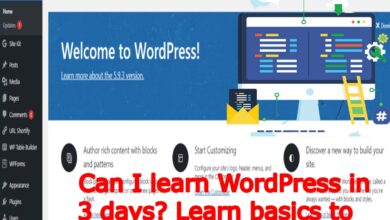
WordPress Basics: What are WordPress Plugins and how to install and use them
WordPress Plugins and how to install and use them: Hey everyone, welcome back! In today’s video class of WordPress Plugins, we’re diving into the world of WordPress plugins. Let’s explore what they are and why they’re essential for enhancing your website’s functionality. WordPress with its vast array of features and functionalities, owes much of its versatility to plugins.
These powerful tools extend the core functionality of WordPress and allowing you to add new features, enhance performance and customize your websites to meet your specific needs and goals. In collaboration with Techno Hadayat Education’s comprehensive WordPress course, let’s delve into the world of WordPress plugins, exploring what they are, how to install them and how to leverage their power to create dynamic and feature-rich websites.
What are WordPress Plugins?
WordPress plugins are software and applications components that can add specific features, coding and functionalities to your WordPress website easily. Think of them as modular add-ons that you can install and activate to extend the capabilities of your website beyond what is offered by the core WordPress software. Plugins can range from simple tools that add a contact form or social media buttons to complex solutions for e-commerce, SEO, performance optimization and more.
Think of your WordPress Plugins as software and apps for your website. They add extra features and functionalities and allowing you to customize and extend the capabilities of your website beyond what’s available by default.
Accessing Plugins
To access WordPress Plugins, simply head to your WordPress dashboard and navigate to the “Plugins” tab to start.
Why Plugins are Useful
WordPress Plugins are incredibly very useful because they allow you to add new features to your website without needing to write any code yourself. Whether you want to add a contact form, improve website speed, enhance security or integrate with third-party services, there’s likely a plugin available to help you to achieve your goal.
Exploring Popular Plugins
In the “Add New” section of the WordPress Plugins tab, you’ll find a vast array of popular plugins to choose from. These include WordPress Plugins for improving website performance, optimizing SEO, adding contact forms, implementing security measures and much more.

- Cottage Insurance Brokers: Best Tailoring Policies For Your Ontario Paradise
- House Insurance: Your Comprehensive Guide To Its Costs In Ontario
- What is the Average Price for Home Insurance in Canada Today?
- How to Reset Windows Password Forgotten Using Command Prompt
- IBM SPSS Statistics 27.0 Download and Review: Is This Statistical Giant Still the Best Choice?
Example: Contact Form Plugin
As an example, let’s take a look at the Contact Form 7 plugin. This plugin allows you to easily create and manage contact forms on your website. After installing and activating the plugin, you can access its settings to customize the form and set up email notifications for form submissions.
Adding a Contact Form to Your Site
Once you have configured your contact form, you’ll receive a shortcode that you can paste into any page or post on your website. This shortcode will display the contact form wherever you place it and allowing your visitors to easily get in touch with you.
Types of WordPress Plugins:
WordPress plugins cover a wide range of categories and functionalities including:
- Contact Form Plugins: Allow you to create and manage contact forms on your website and enabling visitors to reach out to you easily.
- SEO Plugins: Help to optimize your website for search engines by providing tools for meta tags, sitemaps, schema markup and more.
- Performance Optimization Plugins: Improve your website’s speed and performance by caching, minifying files, lazy loading images and optimizing code.
- Security Plugins: Enhance the security of your website by protecting against malware, brute force attacks, spam and other threats.
- E-commerce Plugins: Transform your website into an online store with features such as product listings, shopping carts, payment gateways and order management.
- Social Media Plugins: Integrate social media platforms into your website by adding social sharing buttons, follow buttons and social media feeds.
- Analytics Plugins: Provide insights into your website’s performance and visitor behavior through analytics tracking, reporting and visualization tools.
Benefits of Using WordPress Plugins:
WordPress Plugins save you time and effort by providing you pre-built solutions for common website functionalities. Instead of coding from scratch, you can simply install and configure a plugin to achieve your desired outcome.
- Flexibility and Customization: WordPress Plugins allow you to tailor your website’s functionality to suit your specific needs and goals without requiring custom development.
- Time and Cost Savings: Instead of building features from scratch, you can leverage existing WordPress Plugins to add functionality to your website quickly and cost-effectively.
- Easy Integration: Most plugins are designed to seamlessly integrate with your WordPress, ensuring compatibility and ease of use.
- Community Support: The WordPress plugin ecosystem is vast, with a thriving community of developers and users who contribute to plugin development, support and documentation.
How to Install and Use WordPress Plugins:
Installing and using WordPress plugins is a straightforward process that can be accomplished in a few simple steps:
Installing Plugins from the WordPress Plugin Directory:
To install a plugin, simply click on the “Install Now” button next to the plugin you want to use. Once WordPress Plugins installed, don’t forget to activate it to make it functional on your website.
- Navigate to the “Plugins” > “Add New” section in the WordPress dashboard.
- Use the search bar to find plugins based on keywords, functionality or category. You can also browse featured, popular and recommended plugins.
- Once you have found a plugin that meets your requirements, click the “Install Now” button next to it.
- After the plugin has been installed, click the “Activate” button to make it active on your website.
Uploading Plugins from Third-Party Sources:
If you have obtained a plugin from a third-party source or purchased a premium plugin, you can upload it directly to your WordPress website:
- Navigate to the “Plugins” > “Add New” section in the WordPress dashboard.
- Click on the “Upload Plugin” button available at the top of your page.
- Choose the plugin file (.zip format) from your computer and click the “Install Now” button.
- After the plugin has been installed, click the “Activate” button to make it active on your website.
Managing Installed Plugins:
Once you have installed and activated WordPress Plugins, you can manage them from the “Plugins” section in the WordPress dashboard:
- View a list of installed plugins, including their status (active or inactive), versionand description.
- Activate or deactivate plugins as needed by clicking the corresponding links.
- Configure plugin settings by clicking the “Settings” link below each plugin or navigating to the plugin’s settings page in the WordPress dashboard.
Using Plugins to Add Functionality:
Once activated, WordPress Plugins typically add new menu items or settings pages to the WordPress dashboard, where you can configure their settings and options.
Depending on the plugin’s functionality, you may also see new features or elements added to your website’s front end, such as contact forms, social media buttons, e-commerce functionality and more.
Best Practices for Using WordPress Plugins:
To make the most of WordPress plugins and ensure a smooth and secure website experience, consider the following best practices:
- Choose Plugins Wisely: Select WordPress Plugins from reputable sources with positive reviews and ratings. Avoid installing unnecessary or outdated plugins, as they may pose security risks or compatibility issues.
- Keep Plugins Updated: Regularly update your installed plugins to benefit from new features, bug fixesand security patches. Enable automatic updates where possible to ensure WordPress Plugins stay up-to-date without manual intervention.
- Monitor Performance Impact: Some WordPress Plugins can impact your website’s performance, particularly if they are resource-intensive or poorly optimized. Monitor your website’s performance metrics and disable or replace plugins that negatively affect speed and usability.
- Stay Informed: Stay informed about plugin vulnerabilities, security advisories and best practices for plugin usage. Subscribe to WordPress news sources, forumsand mailing lists to receive timely updates and recommendations.
Conclusion:
WordPress plugins are indispensable tools for enhancing the functionality and capabilities of your website. With Techno Hadayat Education’s WordPress course, you can gain your comprehensive understanding of WordPress plugins and learn how to install and use them effectively to create a dynamic and feature-rich website that meets your unique needs and goals.
Next Steps
In the next video class, we’ll explore another important aspect of WordPress user management. Stay tuned to learn how to manage your users on your website and assign different roles and permissions.
Join us on Social Media Platforms:
- Join us on the Facebook page:
- Join Us on the Linkden Page:
Instagram Bio Stylist For Boys Girls
Instagram Long Bio
International College Of Nursing Health Sciences Lahore Admissions
Irrigation Department Ppsc Solved Past Papers
Is Bmi A Good Way To Measure Your Health
Israel Killed Al Jazeera Reporter
Isra School Of Nursing Admissions