WordPress Themes: What are WordPress themes and how to work with them
WordPress themes and how to work with them: Hey everyone, welcome back! Today, we’re delving into one of the most exciting aspects of WordPress themes in today class. Let’s see how you can use them to give your website a fresh new look. In the realm of website creation, WordPress stands as a beacon of versatility and accessibility. At the heart of every WordPress website lies a theme, a very crucial component that determines its design, layout and functionality.
Understanding what WordPress themes are and how to work with them is very essential for anyone looking to build a dynamic and visually stunning website. In collaboration with Techno Hadayat Education’s comprehensive WordPress course and today video class of WordPress themes, let’s embark on a journey to unravel the mysteries of WordPress themes and discover the tools and techniques for harnessing the power effectively.
What are WordPress Themes?
WordPress themes are collections of files and templates that govern the visual appearance and layout of your WordPress website. Think of them as the skin or outer shell that wraps around the core functionality of WordPress, defining how your website looks and feels to visitors.
Themes encompass various design elements including typography, color schemes, page layouts, widget areas and more which allowing you to customize and personalize your website to suit your brand and preferences.
Anatomy of a WordPress Theme:
At its core, a WordPress theme comprises several key components:
- Stylesheet (style.css): The stylesheet contains CSS (Cascading Style Sheets) code that defines the visual appearance and styling of your website, including fonts, colors, margins and other design elements of your website.
- Template Files: Template files are PHP files that control the structure and layout of different parts of your website, such as headers, footers, sidebars and individual pages or posts. Common template files include index.php, header.php, footer.php, sidebar.php, single.php and page.php.
- Functions.php: The functions.php file contains PHP functions and code snippets that add additional functionality and features to your theme, such as custom widgets, navigation menus, post formats and theme support.
- Assets (Images, JavaScript): Themes may include assets such as images, icons and JavaScript files that enhance the visual appeal and interactivity of your website.
Types of WordPress Themes:
WordPress themes come in various shapes and sizes and catering to different design preferences, niches and industries. Some common types of WordPress themes include as of the following:
- Multipurpose Themes: Versatile themes that can be used for a wide range of website types and purposes, offering extensive customization options and flexibility.
- Blog Themes: Themes which are designed specifically for blogging websites, featuring clean layouts, readable typography and seamless integration with blogging features such as categories, tags and comments.
- Business Themes: Themes tailored for business and corporate websitesoften showcasing professional designs, customizable homepage layouts and integrated features such as contact forms, portfolios and testimonials.
- E-commerce Themes: Themes optimized for online stores and e-commerce websites, featuring built-in support for popular e-commerce platforms such as WooCommerce, customizable product pages, shopping carts and payment gateways.
Accessing Themes
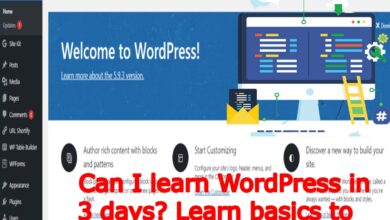
To get started, head over to your WordPress dashboard and navigate to “Appearance” and then “Themes.” Here, you’ll find a selection of default themes that come pre-installed with WordPress.

Activating a Theme
You can activate any of these default themes with just a click. Simply select the theme you want to use and hit “Activate.” Instantly, your website will take on a whole new appearance, reflecting the design and layout of the chosen theme.
Exploring Popular Themes
But why stick to the default themes when there are so many options available? Explore the “Add New” section to discover a wide range of popular themes created by WordPress developers and designers from around the world.
Installing and Activating a New Theme
When you find a theme you like, simply click “Install” and then “Activate” to apply it to your website. Instantly, your site will transform to reflect the design and features of the newly installed theme.
Customizing Your Theme
Once you have activated a theme, you can further customize it to suit your needs. Navigate to the “Customize” section to access a range of customization options specific to your chosen theme. Here, you can adjust colors, fonts, layoutsand more to create a unique look for your site.
Editing Theme Options
Some themes come with additional options and settings that allow for even deeper customization. Explore the theme’s documentation or settings panel to learn more about the available options and how to use them to customize your site.
The Power of Themes
Themes are incredibly powerful tools that allow you to completely change the look and feel of your website with just a few clicks. Whether you are building a personal blog, a business websiteor an online store, there’s a theme out there to suit your needs.
How to Work with WordPress Themes?
Now that we have demystified WordPress themes, let’s explore how to work with them effectively to create a stunning and functional website:
Choosing the Right Theme:
With thousands of WordPress themes available, choosing the right one for your website can seem daunting. Consider factors such as design aesthetics, features, responsiveness, performance, support and compatibility with your content and goals.
Browse reputable theme marketplaces such as the WordPress Theme Directory, ThemeForest and Elegant Themesand use filters and search options to narrow down your options based on criteria such as category, layout and ratings.
Installing and Activating your Theme:
Once you have chosen your theme, installing and activating it is a straightforward process as already disscussed:
- Navigate to the “Appearance” > “Themes” section in the WordPress dashboard.
- Click the “Add New” button to browse and search for themes directly within WordPress. Alternatively, upload a theme file in ZIP format if you have purchased or downloaded it from a third-party source.
- Once installed, click the “Activate” button to make the theme active on your website. Your website will now reflect the design and layout of the chosen theme.
Customizing Your Theme:
Most WordPress themes offer you customization options that allow you to personalize and tailor your website’s appearance to your liking:
- Navigate to the “Appearance” > “Customize” section in the WordPress dashboard to access the Theme Customizer.
- Here, you can modify various aspects of your theme, such as colors, fonts, header and footer layouts, background imagesand more, using intuitive and user-friendly controls.
- Experiment with different customization options and preview your changes in real-time to see how they affect your website’s appearance before making them live.
Extending Your Theme with Plugins:
While themes provide you visual design and layout of your website, plugins extend its functionality by adding new features and capabilities:
Explore the vast array of WordPress plugins available in the Plugin Directory or third-party marketplaces to enhance your theme with features such as contact forms, sliders, galleries, social media integration, SEO optimization and more.
Install and activate plugins that complement your theme and align with your website’s goals and requirements. Be mindful of plugin compatibility and performance to ensure seamless integration with your theme.
Conclusion:
WordPress themes are the cornerstone of your website design and functionality, offering endless possibilities for customization and personalization. With Techno Hadayat Education’s WordPress course, you can gain a deeper understanding of WordPress themes and learn how to work with them effectively to create your website that captivates your audience and achieves your goals.
In our next video class, we will dive into another very essential aspect of WordPress plugins. Stay tuned to learn how plugins can enhance the functionality of your website and take it to the next level.
Join us on Social Media Platforms:
- Join us on the Facebook page:
- Join Us on the Linkden Page:
- wordpress comments and comment settings
- wordpress plugins to install
- Ihra Jobs Islamabad Healthcare Regulatory Authority Jobs
- Imtiaz Mall Jobs Super Market Jobs
- Imtiaz Shahid Ppsc Book 48Th Edition
- Instagram Bio Stylist For Boys Girls
- Instagram Long Bio
- International College Of Nursing Health Sciences Lahore Admissions
- Irrigation Department Ppsc Solved Past Papers